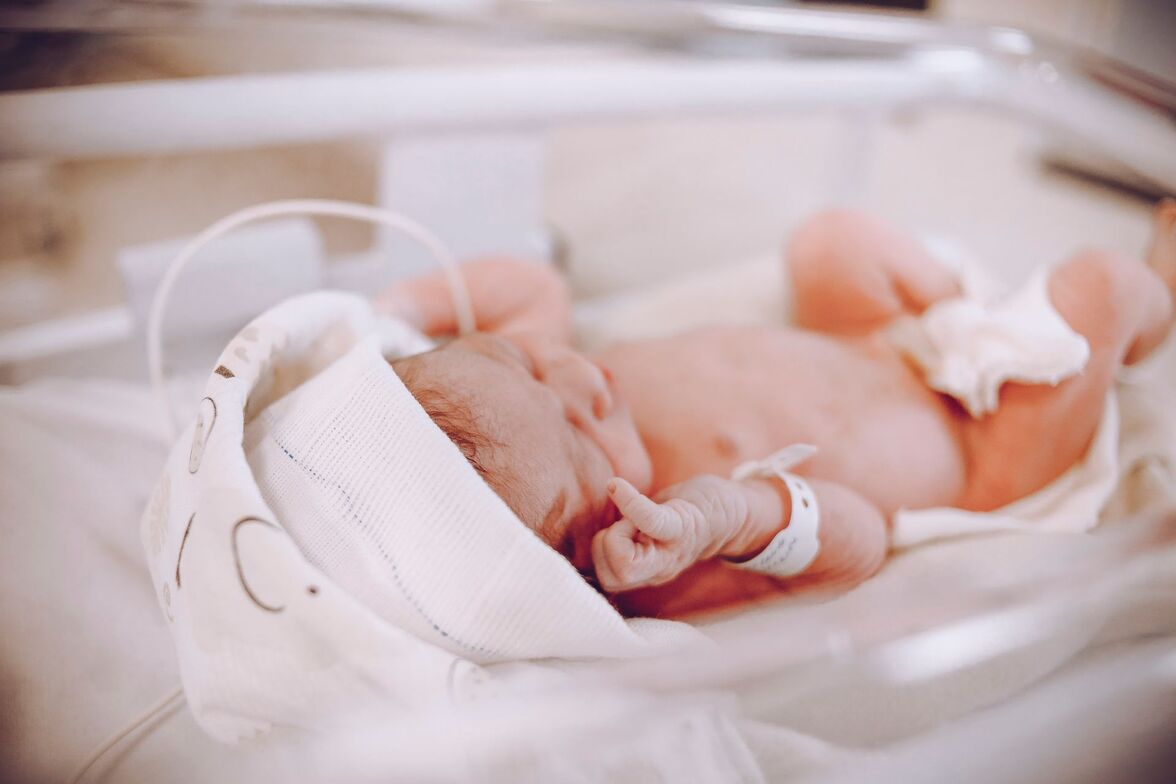
November 15 marks World Prematurity Day, a global day of awareness dedicated to babies born too soon and the families whose lives are forever changed by premature birth.
While this day shines a light on the medical challenges, milestones, and resilience of premature babies, there is another story that often goes untold: the emotional journey of the parents and families who love them.
There are some beginnings in life that stay with us forever.
For some parents, the journey into parenthood begins with the soft cry of a newborn, the warmth of skin-to-skin contact, and the quiet joy of bringing their baby home.
For others, it begins beneath the fluorescent lights of a hospital room. With an unexpected delivery, a baby surrounded by wires, and the unfamiliar language of medical monitors, oxygen levels, and feeding tubes.
It begins with learning how to touch your baby through the small opening of an incubator. With celebrating every gram of weight gained. With leaving the hospital, your arms empty, while your heart remains somewhere behind those doors.
And sometimes, even when your baby finally comes home, a part of you remains there, too.
The story of premature birth does not end when a baby leaves the neonatal intensive care unit (NICU). For many parents, the fear, grief, uncertainty, and emotional exhaustion of those early days continue to shape their experience of parenthood long after discharge.
This World Prematurity Day, we want to turn our attention toward you.
The parent navigating an unexpected birth. The mother grieving the pregnancy she thought she would have. The partner holding their family together while quietly carrying their own fears. The family learning to live with a new sense of uncertainty.
At Pink Light Psychotherapy, we recognize that the emotional impact of premature birth deserves attention alongside the medical journey. Through reproductive and perinatal mental health support, we create space for parents to process their experiences, navigate birth trauma and postpartum anxiety, and receive the care they deserve.
Because behind every premature baby's story is a family with a story of their own.
When Birth Doesn't Go According to Plan
A premature birth, also known as a preterm birth, occurs when a baby is born before 37 completed weeks of pregnancy. According to the World Health Organization, approximately one in ten babies worldwide is born prematurely.
For some families, premature birth comes without warning. For others, pregnancy complications mean that delivering their baby early becomes the safest option for themselves, their baby, or both.
Premature birth can occur for many reasons, including:
- Spontaneous preterm labour.
- Preterm premature rupture of membranes (PPROM), when the waters break before 37 weeks and before labour begins.
- Pregnancy complications such as preeclampsia or placental complications.
- Concerns about a baby's growth or well-being during pregnancy.
- Complications associated with carrying twins or other multiples.
- Medical conditions that make continuing the pregnancy unsafe.
Sometimes, there is no clear explanation for why a baby is born early.
You may have entered the hospital expecting a routine appointment and found yourself preparing to give birth. You may have spent days or weeks in the hospital, hoping to give your baby just a little more time. You may have undergone an emergency caesarean section, frightened for your own life while wondering whether your baby would survive.
Perhaps you knew an early delivery was coming, but knowing did little to prepare you for the moment it happened.
And somewhere between the medical conversations, the decisions, and the urgency of it all, you became a parent in a way you never imagined.
Not every premature baby requires an extended NICU admission. Some babies are born a few weeks early and may require little or no intensive medical care. Yet the emotional impact of an unexpected birth is not measured by the length of a hospital stay.
You may have been told that your baby was fortunate, that things could have been worse, or that you should feel relieved.
And perhaps you do.
But relief does not erase the fear you experienced, the plans that changed, or the emotional adjustment of becoming a parent before you expected to.
Your experience does not have to be the most medically complicated to deserve care.
The Emotional Impact of Having a Baby in the NICU
There is a particular kind of heartbreak that comes with leaving the hospital without your baby.
While others are taking their newborns home, you may be learning how to read oxygen levels, understand feeding tubes, and recognize the meaning behind different alarms.
Your days may revolve around medical updates, pumping breast milk, hospital visits, and waiting for news. You may find yourself celebrating every gram of weight gained, every successful feed, and every moment your baby can breathe with a little less support.
And yet, beneath those celebrations, there may be fear.
Fear that something will change overnight. Fear that your baby is in pain. Fear that you will receive a phone call you are not prepared for.
Having a baby in the NICU can place an immense emotional strain on parents. The uncertainty, separation, medical procedures, and loss of control can contribute to anxiety, depression, emotional exhaustion, and symptoms of trauma.
Perhaps you feel guilty when you leave the hospital, even when your body desperately needs rest. Perhaps you struggle to feel like your baby's parent when so much of their care is in someone else's hands.
You may have imagined learning your baby's cues in the quiet of your home. Instead, you are learning them between medical rounds, feeding schedules, and the careful guidance of nurses.
You might feel grateful for the medical team and still feel devastated by the circumstances that brought you there.
You might love your baby deeply and still struggle to feel connected to them.
You might be surrounded by people who care about you and still feel profoundly alone.
For some parents, the pressure to remain hopeful can make it difficult to express how much they are struggling. When everyone is asking about your baby's progress, it can feel as though there is little room to talk about your own.
Your gratitude does not cancel out your grief, and your love for your baby does not mean you have to feel strong every moment of every day.
Premature Birth, Birth Trauma, and the Grief of an Unexpected Beginning
When people talk about premature birth, the focus is often on the baby's health. And understandably so.
But what about the parent who gave birth?
What about the person whose pregnancy ended before they were ready? The person who never had the baby shower they planned, never packed their hospital bag, or never experienced the final weeks of pregnancy they had been anticipating?
What about the mother who woke up from surgery and had to ask where her baby was?
Premature birth can involve a profound sense of loss, even when your baby survives and thrives.
You may be grieving:
- The pregnancy you thought you would have.
- The birth experience you envisioned.
- The opportunity to hold your baby immediately after delivery.
- The early bonding moments interrupted by medical care.
- The sense of safety and trust you once had in your body.
- The version of parenthood you had been preparing for.
For some parents, premature birth can also be experienced as birth trauma. An unexpected delivery, emergency medical intervention, fear for your life or your baby's life, or feeling powerless during labour can leave emotional wounds that persist long after physical recovery.
You may find yourself replaying your birth experience, having nightmares, avoiding conversations about the delivery, or feeling overwhelmed when you return to the hospital.
You may struggle to understand why you are still affected by something that everyone else seems to have moved on from.
This grief can be difficult to name, particularly when people remind you how fortunate you are that your baby is alive.
You may hear, "At least your baby is okay," or "The most important thing is that you're both here."
And while these words may come from a place of love, they can leave little room for the complexity of your experience.
You can be deeply thankful that your baby is here and still grieve what you endured to bring them into the world.
A positive medical outcome does not erase a traumatic experience.
When You Feel Like Your Body Has Failed You
Perhaps you have replayed the days leading up to your baby's birth, wondering if there was something you could have done differently.
Was it the stress you were under? The hours you spent working? The symptoms you didn't recognize? The appointment you wish you had made sooner?
You may find yourself questioning whether your body could have done more to protect your baby.
For parents who experienced pregnancy complications such as preeclampsia, placental complications, or an unexpected early delivery, these questions can become a painful part of the postpartum experience.
There can be grief in feeling as though your body, the very place where your baby was meant to be safe, became a place of uncertainty.
But premature birth is not a measure of how well you cared for your baby. Many of the circumstances that lead to an early delivery are outside of a parent's control.
In perinatal psychotherapy, we can begin to explore the guilt, shame, and complicated feelings you may be carrying, while creating space for a more compassionate relationship with yourself and your body.
Postpartum Anxiety After the NICU: When Your Baby Comes Home, but the Fear Comes With You
For many families, bringing their premature baby home is a moment they have dreamed about for weeks or months.
The car seat is ready. The hospital bags are packed. The medical team says your baby is ready to leave.
But what happens when your baby is ready to go home and your mind is still in the NICU?
You may find yourself checking your baby's breathing throughout the night. You may feel panicked when they cough, sleep longer than expected, or take less milk during a feed.
Without the monitors, nurses, and medical team nearby, you may feel an overwhelming sense of responsibility.
You may struggle to let anyone else hold your baby. You may feel anxious about visitors, germs, or leaving the house. You may find yourself searching the internet for reassurance, only to feel more frightened by what you read.
You may find that parenthood becomes a series of quiet calculations.
How much milk did they drink? How long have they been sleeping? Are they gaining enough weight? Should they be reaching this milestone by now?
Perhaps you have learned to speak in terms of corrected age, developmental assessments, and follow-up appointments, while the parents around you seem to be navigating a different kind of newborn experience.
You may feel a pang of grief when you see another baby reach a milestone your child is still working toward. You may feel exhausted by the uncertainty of what the future holds, particularly if your baby has ongoing medical or developmental needs.
And perhaps the hardest part is that everyone around you assumes the difficult chapter has ended because your baby is home.
But bringing your baby home does not always mean bringing home a sense of peace.
For some parents, the emotional impact of premature birth becomes more noticeable after the immediate medical crisis has passed.
During the NICU stay, there was something to do. Somewhere to be. Another update to wait for. Another milestone to reach.
At home, there may finally be enough quiet for the emotions you have been carrying to catch up with you.
Postpartum anxiety, postpartum depression, and trauma-related symptoms can emerge or become more apparent following a premature birth or NICU experience. While some worry is understandable, persistent anxiety that interferes with your ability to rest, feel present, or participate in daily life may be a sign that additional support would be helpful.
It is important to recognize that caring for a premature baby can involve real medical concerns. Following your baby's care plan and attending medical appointments are important parts of keeping them well. Therapy can help you navigate the emotional weight of these responsibilities without dismissing the realities of your baby's health.
You may have left the hospital, but your nervous system may still be responding to the uncertainty, fear, and helplessness you experienced there.
And that deserves care, too.
The Emotional Impact of Premature Birth on the Entire Family
Premature birth does not happen in isolation. Its emotional impact can reach every member of a family.
Partners and Non-Birthing Parents
Perhaps you watched someone you love undergo an emergency delivery, uncertain whether they or your baby would be okay.
You may have felt pressure to remain strong, communicate with family members, manage responsibilities at home, and make difficult decisions while quietly struggling yourself.
You may have been asked repeatedly how your partner and baby were doing, while very few people thought to ask how you were coping.
Partners and non-birthing parents can also experience anxiety, depression, grief, and trauma following premature birth. Their experiences deserve recognition and support in their own right.
Relationships and Family Adjustment
Relationships can become strained under the weight of exhaustion, financial pressures, medical appointments, and different ways of coping.
One parent may want to talk about what happened, while the other may find it too painful. One may feel ready to welcome visitors, while the other may feel overwhelmed by the thought of anyone entering their home.
Older siblings may struggle to understand why their baby brother or sister cannot come home, or why their parents are spending so much time at the hospital. Grandparents and extended family members may experience their own grief and uncertainty while trying to offer support.
Sometimes, the support families need is emotional. Sometimes, it is practical: someone to prepare a meal, care for older children, provide transportation to the hospital, or simply listen without trying to make everything better.
When the Challenges Extend Beyond the Hospital
For some families, the emotional weight of premature birth is compounded by circumstances that extend far beyond the hospital room.
You may be navigating financial pressures, limited parental leave, transportation costs, childcare for older children, or separation from your support system.
For Black, Indigenous, racialized, and other underrepresented families, experiences of discrimination, not feeling heard, or having concerns dismissed within healthcare settings can add another layer of distress to an already vulnerable experience.
Your emotional well-being is shaped not only by what happened during pregnancy and birth, but also by the support, safety, and resources available to you throughout that journey.
No family should have to navigate premature birth without access to compassionate, equitable care.
The Canadian Premature Babies Foundation is one resource for families seeking information, community, and support throughout their premature birth journey.
Your hospital's NICU social worker, neonatal follow-up team, and community healthcare providers may also be able to help you navigate practical resources, ongoing medical needs, and the transition home.
Honouring Families Navigating Neonatal Loss
For some families, the journey of premature birth does not end with bringing their baby home.
For parents who have experienced neonatal loss, World Prematurity Day may hold a different kind of meaning. It may be a day of remembrance, grief, love, and longing for the child who will always be part of their family.
You may remember the weight of your baby in your arms, the softness of their skin, or the small moments you shared in a lifetime that was far too brief.
You may find yourself navigating a world that continues moving while yours feels as though it has stopped.
There may be anniversaries, due dates, birthdays, and ordinary moments that carry an extraordinary weight. There may be days when you want to speak your baby's name and days when the grief feels too tender to share.
Your baby is part of the story of World Prematurity Day, too.
At Pink Light Psychotherapy, we recognize that grief following neonatal loss is deeply personal. Through reproductive grief and loss counselling, we offer a space to honour your baby's life, explore the emotions that accompany your loss, and receive support as you navigate a life forever changed by love.
There is no timeline for your grief, and there is no expectation that healing means leaving your baby behind.
When Should You Seek Therapy After a Premature Birth or NICU Stay?
It can be difficult to know when the emotional weight of premature birth is something you need support navigating.
Perhaps you have been telling yourself that what you are feeling is simply part of being a new parent. Perhaps you believe things will get easier once your baby is sleeping better, gaining weight, or attending fewer medical appointments.
But sometimes, the fear and uncertainty of those early days continue to shape how you experience parenthood long after the immediate medical concerns have passed.
You may benefit from perinatal mental health support if:
- You find yourself constantly worrying about your baby's health. Even when your baby is medically stable, you struggle to trust that they are okay. You may repeatedly check their breathing, search for reassurance, or feel overwhelmed by the possibility of something going wrong.
- You keep reliving your birth or NICU experience. Certain sounds, hospital visits, medical appointments, or conversations may bring you back to moments that felt frightening or overwhelming.
- You are struggling with guilt or self-blame. You find yourself questioning whether you could have prevented your baby's premature birth or whether your body somehow failed to protect them.
- You feel disconnected from yourself, your baby, or your partner. You may be finding it difficult to feel present, experience joy, or reconnect with the parts of yourself that existed before pregnancy and birth.
- You feel emotionally exhausted or overwhelmed. You may be struggling with persistent sadness, irritability, difficulty sleeping even when you have the opportunity to rest, or a sense that you are moving through each day without feeling fully present.
- You are grieving the experience you thought you would have. You love your baby deeply, but you are still mourning the pregnancy, birth, or early moments of parenthood that unfolded differently than you imagined.
You do not need to experience all of these things to benefit from therapy. You do not need a diagnosis of postpartum depression, postpartum anxiety, or post-traumatic stress disorder (PTSD) to deserve support.
Sometimes, the recognition that you have been carrying more than you know how to put into words is enough.
You do not have to wait until you are overwhelmed to begin individual therapy. You can seek support while your baby is still in the NICU, during the transition home, or months and even years after your experience.
How Perinatal Psychotherapy Can Support Your Healing After Premature Birth
At Pink Light Psychotherapy, we recognize that reproductive and perinatal mental health encompasses far more than pregnancy and postpartum adjustment. It includes the unexpected, complicated, and sometimes painful experiences that can accompany the journey into parenthood.
Therapy can offer a space where your experience is not minimized, where you do not have to focus exclusively on your baby's needs, and where your own emotional well-being matters.
Our approach to psychotherapy is warm, collaborative, emotion-focused, relational, and anti-oppressive. We recognize that your experience of premature birth is shaped not only by what happened, but also by your relationships, your identity, and the systems of care you have encountered along the way.
Through compassionate, trauma-informed psychotherapy, we can support you in:
Processing Birth Trauma and NICU Experiences
Together, we can explore what happened during your pregnancy, birth, and NICU journey, at a pace that feels manageable for you. Therapy can help you make sense of difficult memories, explore feelings of fear or helplessness, and begin to reconnect with a sense of safety.
Managing Postpartum Anxiety and Depression
We can explore the thoughts, emotions, and experiences contributing to your anxiety or low mood, while developing strategies to help you navigate uncertainty, persistent worry, and emotional exhaustion.
The goal is not to ask you to stop caring about your baby's health. It is to help you find ways to care for your baby without losing yourself in the fear of what might happen.
Navigating Grief, Guilt, and Self-Blame
Whether you are grieving your birth experience, struggling with feelings of guilt, or navigating neonatal loss, therapy offers space to honour what you have experienced without judgment.
We can work toward understanding the complicated emotions you are carrying and developing a more compassionate relationship with yourself.
Reconnecting With Yourself and Your Relationships
Premature birth can change how you experience yourself, your body, your relationships, and your identity as a parent.
Therapy can support you in exploring these changes, communicating your emotional needs, establishing boundaries, and finding ways to reconnect with yourself and the people you love.
Adjusting to Life Beyond the NICU
As your baby transitions home, you may be learning to navigate a new rhythm of parenthood, one that includes medical follow-ups, developmental concerns, and the ongoing emotional impact of your baby's early arrival.
We can create space to explore these adjustments, acknowledge the uncertainty you may still be experiencing, and develop ways to feel more grounded and supported in your everyday life.
Therapy is not about asking you to forget what happened or move on from an experience that changed you.
It is about creating space for you to understand your experience, reconnect with yourself, and begin to feel less alone in what you are carrying.
What Your First Therapy Appointment Might Look Like
Beginning therapy after premature birth does not mean you need to retell your entire birth or NICU experience before you feel ready.
We can begin with what feels most present for you. Perhaps it is the anxiety you feel when your baby has a medical appointment, the guilt that surfaces when you think about your pregnancy, or the exhaustion of trying to care for everyone while feeling disconnected from yourself.
Together, we can explore what you need, identify your goals, and shape an approach to therapy that honours your experiences.
You remain in control of what you share, when you share it, and the pace at which we move through your story.
You Have Spent So Much Time Caring for Your Baby. Who Is Caring for You?
To the parent sitting beside an incubator, wondering when you will finally be able to hold your baby without wires between you.
To the mother who keeps replaying the moments before her delivery, searching for something she could have done differently.
To the partner who cries in the car before walking into the hospital, then wipes their tears away because everyone is depending on them.
To the parent who brought their baby home months ago but still wakes in the middle of the night with a familiar sense of dread.
To the family celebrating a first birthday that also marks the anniversary of one of the most frightening days of their lives.
And to the parents whose babies are no longer here, but whose love continues to find its way into every day.
We see you.
We see the love that carried you through the hospital doors, day after day. The exhaustion you learned to live with. The milestones you celebrated that others might never understand.
We see the moments you were brave because you had to be, not because you weren't afraid.
And we see the parts of you that are still waiting to feel safe again.
Perhaps you have been telling yourself that things will feel easier once your baby comes home. Once the appointments become less frequent. Once they gain a little more weight. Once you finally get some sleep.
Perhaps you have been waiting for the right time to take care of yourself.
But your emotional well-being does not have to wait until everything else is okay.
This World Prematurity Day, as we honour the lives and journeys of babies born too soon, we also honour the parents and families whose experiences deserve to be held with tenderness, understanding, and care.
At Pink Light Psychotherapy, we offer compassionate reproductive and perinatal mental health support through in-person psychotherapy in Toronto and virtual psychotherapy across Ontario. We support individuals navigating premature birth, NICU trauma, postpartum anxiety, birth trauma, reproductive grief, and the complexities of becoming a parent.
A space where you can talk about the things you have not been able to say out loud. Where your baby's medical journey does not overshadow your own. Where you can begin to make sense of what you have experienced and explore what healing might look like for you.
Whether your baby is still in the NICU, has recently come home, or your experience of premature birth happened years ago, there is room for your story here.
You have been holding so much for so long.
You deserve somewhere to put it down.
If you are ready to explore support for your reproductive or perinatal mental health, we invite you to connect with Pink Light Psychotherapy.
Your baby's story matters. And so does yours.